


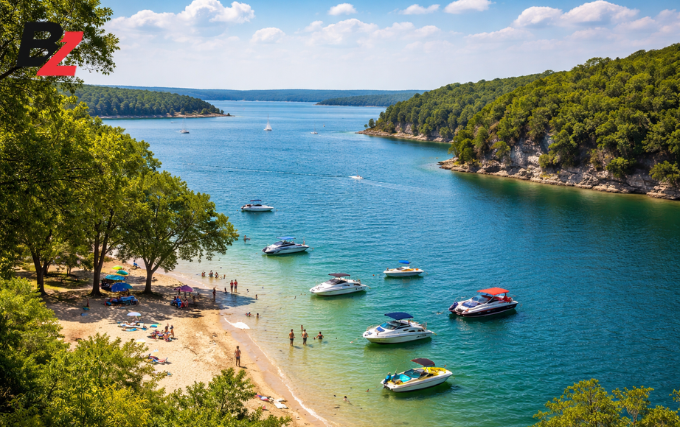
Capitalization is more than just a grammar rule; it’s a matter of respect, clarity, and convention—especially when it comes to place names. Geographic names like “Lake Texoma” are proper nouns and thus should always be capitalized. Treating them with lowercase spelling can lead to confusion, miscommunication, and even disrespect to the region’s cultural and geographical significance.
The phrase “lake texoma should be capitalized” often arises in digital content discussions, SEO articles, and even classroom lessons. It highlights a frequent oversight—incorrect casing of important landmarks. Understanding why capitalization matters helps enforce consistency across professional writing, journalism, education, and cartography.
What Is Lake Texoma and Why It Matters
Lake Texoma is one of the largest reservoirs in the United States, located on the border between Texas and Oklahoma. Created by the Denison Dam on the Red River, it spans over 89,000 acres and is a key water source, recreational hotspot, and ecological habitat. As a result, its name holds geographic, environmental, and socio-economic significance.
Given its status, “Lake Texoma” is not just a generic label—it is a proper noun designating a specific location. Mislabeling it as “lake texoma” disregards its official identity and weakens the authority of content where it’s mentioned. Thus, the rule that Lake Texoma should be capitalized isn’t arbitrary—it’s rooted in grammatical correctness and place name protocol.
Proper Nouns and Capitalization Rules Explained
In English grammar, proper nouns refer to specific people, places, or things and must be capitalized. This includes countries, cities, rivers, and of course—lakes. When referring to any named lake such as Lake Michigan, Lake Tahoe, or Lake Texoma, both the word “Lake” and the specific name are capitalized to reflect their status as unique geographical entities.
Saying lake Texoma or lake texoma fails to meet these grammatical standards. The misuse can also negatively impact SEO, academic credibility, and professional tone. Especially in titles, headings, and metadata, the rule that Lake Texoma should be capitalized ensures grammatical accuracy and keyword optimization.
Geographic Naming Conventions in Style Guides
Major writing and publishing style guides—including the Associated Press (AP), Chicago Manual of Style (CMOS), and MLA Handbook—explicitly instruct that proper geographic names be capitalized. According to these guides, “Lake Texoma” is treated similarly to “Mount Everest” or “Hudson River.”
This consistency in naming ensures that readers across various contexts understand exactly which location is being referenced. Ignoring these standards not only appears unprofessional but also undermines a publication’s reliability. Writers and editors alike must remember: Lake Texoma should be capitalized in all formal content.
SEO Benefits of Correct Capitalization in Place Names
From an SEO perspective, accurate capitalization plays a subtle yet important role. Search engines like Google use linguistic cues to understand queries. While they tolerate lowercase inputs, content that follows proper formatting and capitalization tends to perform better in terms of readability and trust.
For example, articles or listings with “Lake Texoma” properly capitalized are more likely to be indexed under authoritative results. Including keywords like lake texoma should be capitalized not only targets a niche query but also educates both readers and algorithms on correct naming practices.
Avoiding Common Mistakes in Naming Conventions
Writers, bloggers, and even software developers often make the mistake of lowercasing geographic names—particularly when working quickly or auto-generating content. Whether it’s lake texoma in a blog post or metadata field, these small errors can chip away at credibility and user trust.
To prevent this, implement quality assurance tools or style checkers that flag uncapitalized proper nouns. Setting editorial standards, especially for place names, is crucial when producing content in tourism, real estate, mapping apps, or educational platforms. The goal: reinforce the rule that Lake Texoma should be capitalized at all times.
Legal and Government Standards for Geographic Capitalization
In the U.S., official documents from agencies like the United States Geological Survey (USGS) and Army Corps of Engineers always capitalize names such as “Lake Texoma.” This ensures consistency across maps, environmental reports, legal filings, and emergency services databases.
Failure to capitalize can result in data mismatches or ambiguity in legal contexts. For instance, if lake texoma appears uncapitalized in official records, it may conflict with the standardized naming used in GPS systems or disaster management software. Following the directive that Lake Texoma should be capitalized is essential for operational accuracy.
Educational Settings and Geographic Literacy
Teachers, professors, and students are key stakeholders in maintaining proper capitalization standards. Textbooks, online curricula, and classroom assignments must reflect correct geographic naming to promote literacy and research integrity. Incorrect usage like lake texoma may cause students to form bad habits or lose points in formal assessments.
Educational content creators should emphasize that place names—including “Lake Texoma”—fall under proper nouns and demand capitalization. Including exercises that highlight these differences helps reinforce long-term grammatical retention, especially in English language learning or geography classes.
Implications for Brand Identity and Local Tourism
Lake Texoma is more than a body of water; it represents a regional identity tied to tourism, recreation, and business. Resorts, fishing guides, real estate firms, and local governments all rely on proper branding of “Lake Texoma” to maintain visual consistency and professional recognition.
Imagine a tourism brochure or website titled “Things to do at lake texoma.” The lowercase usage instantly undercuts the authority and polish of the content. Upholding the principle that Lake Texoma should be capitalized supports not just grammar, but also the economic ecosystem around the lake.
Digital Content, Metadata, and Naming Accuracy
Search engines and social media platforms rely heavily on structured data and metadata for indexing content. If “lake texoma” is input incorrectly in alt tags, title tags, or URL slugs, it can misclassify the content or affect search rankings. For example, a YouTube video titled “camping at lake texoma” may be interpreted as generic or less relevant than one titled “Camping at Lake Texoma.”
To ensure digital precision and visibility, always capitalize correctly in all fields—descriptions, image names, file paths, and more. Following the guideline that Lake Texoma should be capitalized helps maintain uniformity across platforms and enhances digital discoverability.
Correct Usage in Maps, Apps, and Navigation Tools
Applications like Google Maps, Apple Maps, and Garmin rely on accurately capitalized place names to display data correctly. These systems use place databases where “Lake Texoma” is standardized. When users search with incorrect casing, results may still appear, but content contributions (such as reviews or labels) with incorrect casing may not align.
Developers, cartographers, and GIS professionals must adhere to strict naming rules to avoid discrepancies. Displaying “lake texoma” on a digital interface may appear unpolished or unverified. Thus, following best practices ensures seamless user experience and data alignment with verified geographical sources.
Social Media, Blogging, and Content Sharing Etiquette
Whether you’re sharing vacation photos on Instagram or writing a travel blog, how you write geographic names matters. Using the correct form—Lake Texoma—conveys respect, authority, and proper etiquette. Misuse like lake texoma may come off as careless or uninformed, particularly to locals or those familiar with the area.
Content creators should take the extra second to ensure capitalization is correct in captions, hashtags, or blog headers. This is especially important in viral or evergreen content, where small details can shape perception. Embrace the standard that Lake Texoma should be capitalized as part of professional communication online.
FAQs
Q: Why is it incorrect to write “lake texoma” in lowercase?
A: “Lake Texoma” is a proper noun referring to a specific place. English grammar rules require proper nouns to be capitalized.
Q: Are there exceptions when “Lake Texoma” can be written in lowercase?
A: Only in informal contexts like personal notes or casual texts, but even then, proper capitalization is encouraged for clarity.
Q: Does capitalization affect SEO performance?
A: Yes. While search engines recognize keywords regardless of casing, correctly capitalized headings and tags improve readability, trust, and indexing.
Q: What style guides support the capitalization of Lake Texoma?
A: AP, Chicago, MLA, and all major English style guides dictate capitalization of geographic names like “Lake Texoma.”
Q: How can I ensure proper capitalization in content creation?
A: Use grammar checkers, style guides, and editorial workflows. Double-check titles, metadata, and body content before publishing.
Conclusion
In summary, the reason Lake Texoma should be capitalized is rooted in grammar, professionalism, digital accuracy, and cultural respect. It’s more than a rule—it’s a practice that honors the identity of a landmark with ecological, economic, and historical relevance. Writers, editors, developers, teachers, and businesses all benefit from following this standard.
Whether you’re crafting a guidebook, SEO article, classroom material, or tourism website, capitalization isn’t optional—it’s essential. Let “Lake Texoma” serve as a reminder that naming conventions are foundational to clear communication. And in the case of this iconic reservoir, it’s a name worth getting right every time.
